INCIDENT OVERVIEW
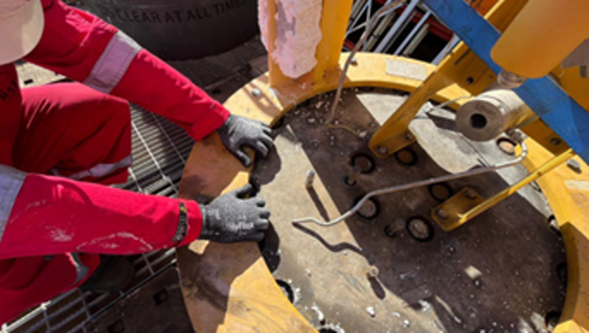
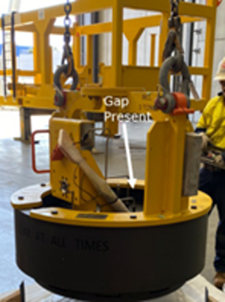
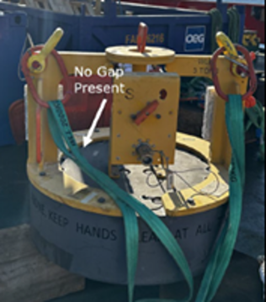
During a deck operation involving the relocation of a pressure cap weighing over 2000 kg, a rigger sustained crush injuries to multiple fingertips. The incident occurred while positioning the top section of the pressure cap collar onto grillage. As the inner section of the cap settled, the collar lowered automatically, trapping the rigger’s fingers. Immediate action was taken to raise the load, allowing the rigger to be freed. The injured individual was evacuated to an onshore medical facility and required surgical treatment on two fingertips. Investigation findings remain preliminary.
POSITIVE OUTCOMES
- The crane operator responded immediately to instructions, preventing further injury.
- Emergency procedures and medical evacuation protocols were correctly implemented.
- The use of PPE was in place and functioning as required.
ISSUES IDENTIFIED
- The automatic lowering feature of the collar created an entrapment hazard.
- Direct contact with the load occurred during crane operations, increasing risk exposure.
- Limited awareness of the specific hazard associated with the collar mechanism.
ROOT CAUSES
- Inadequate pre-lift planning specific to the pressure cap configuration.
- Inconsistent application of hands-free lifting principles.
- Insufficient briefing on load-specific hazards and safe handling procedures.
TAKEAWAYS AND ACTIONS
- Always apply hands-free lifting practices; avoid physical contact with the load.
- Conduct thorough pre-task discussions highlighting equipment-specific risks.
- Ensure lifting aids are available, correctly positioned, and used.
- Reinforce STOP WORK authority: personnel should question any unsafe condition or uncertain procedure.
- Review and update task risk assessments to include mechanical entrapment scenarios.
- Encourage proactive communication and hazard awareness during lifts.
Safety Culture Reminder
Always verify lifting equipment and procedures before starting operations. Speak up if you notice any potential risk, your vigilance can prevent incidents.
Note: The original version of this Safety Flash is available from the IMCA website.